When it comes to designing a space, furniture placement plays a crucial role in establishing visual balance. By strategically positioning your furniture, you can create a sense of harmony and cohesion that elevates the overall look of the room. Imagine walking into a space where every piece of furniture feels perfectly placed, contributing to a balanced and inviting atmosphere. How can you achieve this level of visual equilibrium in your own home? Let’s explore some key strategies for creating a harmonious and well-balanced room through thoughtful furniture arrangement.
Importance of Furniture Placement
Furniture placement significantly influences the overall visual balance and functionality of a room. When arranging your furniture, consider both the aesthetic appeal and the practicality of the layout. Start by identifying the focal point of the room, whether it’s a fireplace, a large window, or a piece of artwork. Arrange your furniture around this focal point to create a sense of harmony and cohesion in the space.
Take into account the traffic flow within the room. Ensure that there are clear pathways for movement and that furniture pieces are positioned in a way that doesn’t obstruct the natural flow. By strategically placing your furniture, you can make the room feel more spacious and inviting.
Additionally, consider the scale and proportion of the furniture in relation to the room size. Oversized furniture can overwhelm a small room, while too many small pieces can make a large room feel cluttered. Finding the right balance won’t only enhance the visual appeal of the room but also improve its functionality.
Principles of Visual Balance
Consider the visual weight and distribution of elements in a room to achieve a sense of harmony and equilibrium, known as the Principles of Visual Balance. Visual balance is about arranging furniture and decor in a way that feels stable and visually pleasing.
One key principle is symmetrical balance, where items are evenly placed on either side of a central point, creating a mirror image effect. This can be seen in rooms with matching furniture on each side of a fireplace or bed.
Another principle is asymmetrical balance, which involves arranging different objects of similar visual weight to achieve balance. For example, placing a large sofa on one side of a room can be balanced by a grouping of smaller chairs and a side table on the other side.
Proportion is also crucial in visual balance, ensuring that the size and scale of furniture and decor items complement each other. By understanding and applying these principles, you can create a visually balanced space that feels comfortable and inviting.
Strategic Furniture Arrangement Tips
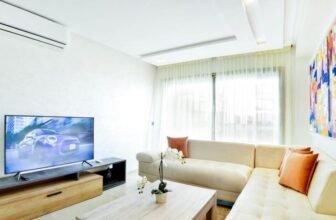
To enhance the visual balance of your space, strategically arranging your furniture can make a significant impact on the overall harmony and aesthetic appeal. Start by considering the function of the room and how you want to use the space. Arrange your furniture in a way that promotes easy traffic flow and conversation. Placing larger pieces, such as sofas and beds, against the walls can help create a sense of openness in the room.
Use area rugs to define specific zones within the space, like a seating area or a dining area. Additionally, incorporating pieces of varying heights and sizes can add visual interest and dimension to the room.
When arranging furniture, remember to leave enough space between pieces to allow for movement and accessibility. Consider the natural focal points of the room, like a fireplace or a large window, and arrange your furniture to complement these features. Experiment with different layouts until you find one that feels balanced and functional for your space.
Enhancing Room Functionality
Arranging your furniture strategically not only enhances the visual balance of your space but also plays a key role in maximizing room functionality. To enhance the functionality of a room, consider the flow of movement within the space. Ensure that there are clear pathways and that furniture placement doesn’t obstruct the natural traffic patterns.
For example, keep pathways from the entrance to key areas like seating areas or focal points clear and unobstructed. Additionally, think about the purpose of the room and how you can optimize it with your furniture arrangement. If it’s a living room, create conversation areas by placing seating pieces close together. In a bedroom, position the bed in a way that allows for easy access and promotes relaxation.
Trending Products
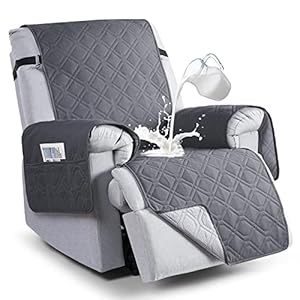
VANSOFY 100% Waterproof Recliner Chair Covers, Recliner Cover Non-Slip Dog Chair Cover Furniture Protector Washable Slipcover with Pocket, Elastic Straps for Pets, Dogs(Dark Gray, 23.6″)


Homsunny Artificial Hanging Flowers Plants with Basket for Outdoors – Fake Petunias Flowers Fake Silk Morning Glory Planter for Outside Porch Patio Balcony Garden Spring Summer Decor(Purple red)


BAGAIL BASICS 8 x 10 FT Rug Pad Gripper for Hardwood Floors, Non Slip Rug Pads for Area Rugs, Extra Thick Under Rug Padding, Protect Your Rugs & Floors

TAOCOCO 100% Waterproof Recliner Sofa Cover Non Slip Couch Cover for 3 Seat Reclining Sofa, Split Reclining Couch Covers 3-Piece with Straps, Washable Sofa Slipcover for Kids Pets(3 Seater, Chocolate)
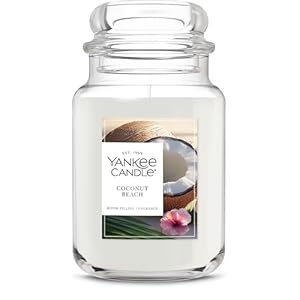
Yankee Candle Coconut Beach, Scented Candle, 22oz Large Jar with up to 150 Hour Burn Time, Giftable, Birthdays

ZEEYUAN 60 Pockets of 4×6 Photo Frame Flip Photo Album on Stand 4×6 Picture Frames Collection for Desktop